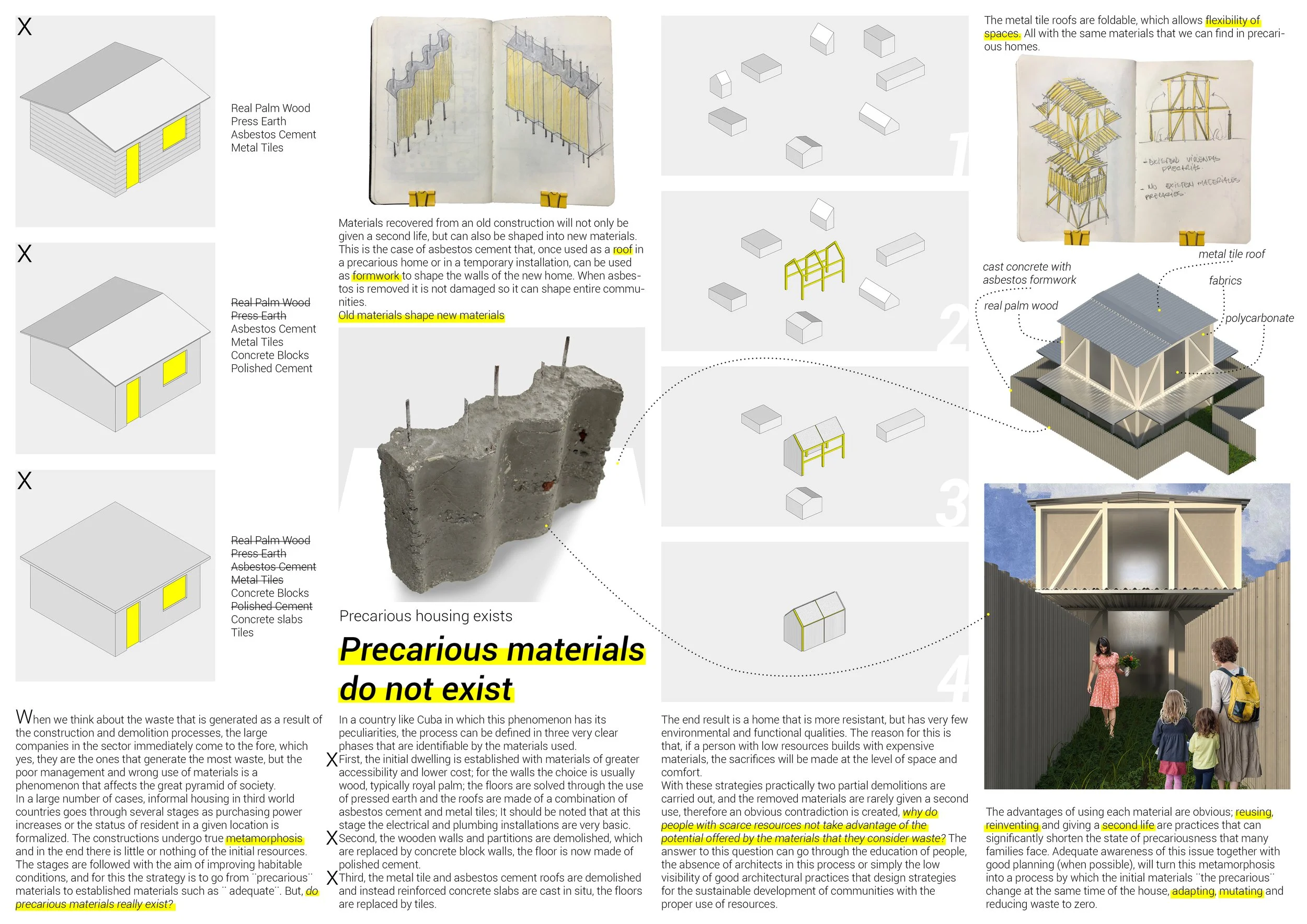
Precarious Materials do not Exist
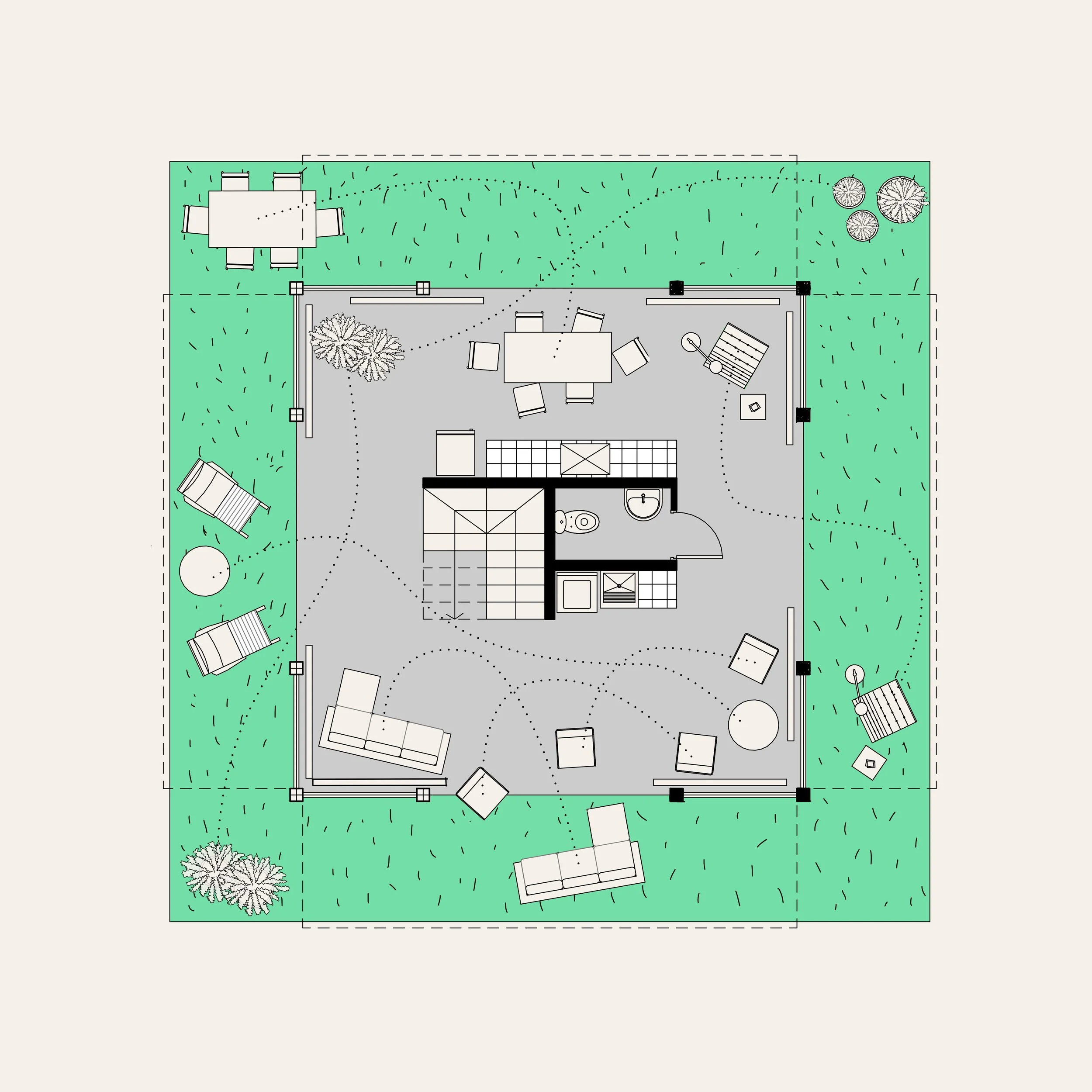
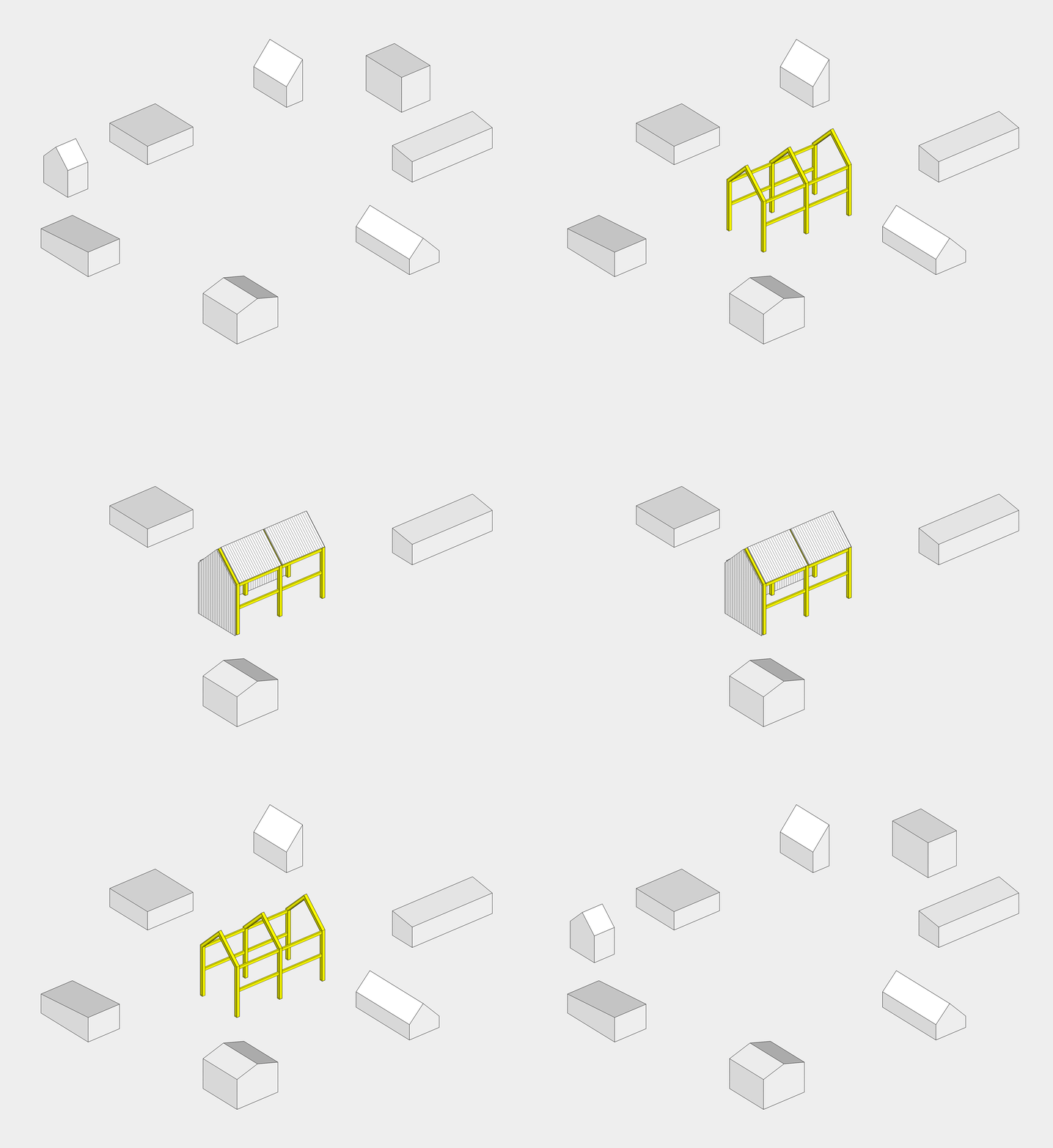
The initial materials “the precarious” change at the same time of the house, adapting, mutating and reducing waste to zero.
When we think about the waste generated by construction and demolition, large companies in the industry immediately come to mind. While they are undoubtedly responsible for a significant share of this waste, poor material management and inefficient use of resources are issues that extend across all levels of society.
Buildings undergo a continuous process of transformation, often leaving little or nothing of their original materials behind. These changes are typically driven by the desire to improve living conditions, following a gradual transition from materials perceived as "precarious" to those conventionally considered adequate or acceptable.
But do precarious materials really exist?
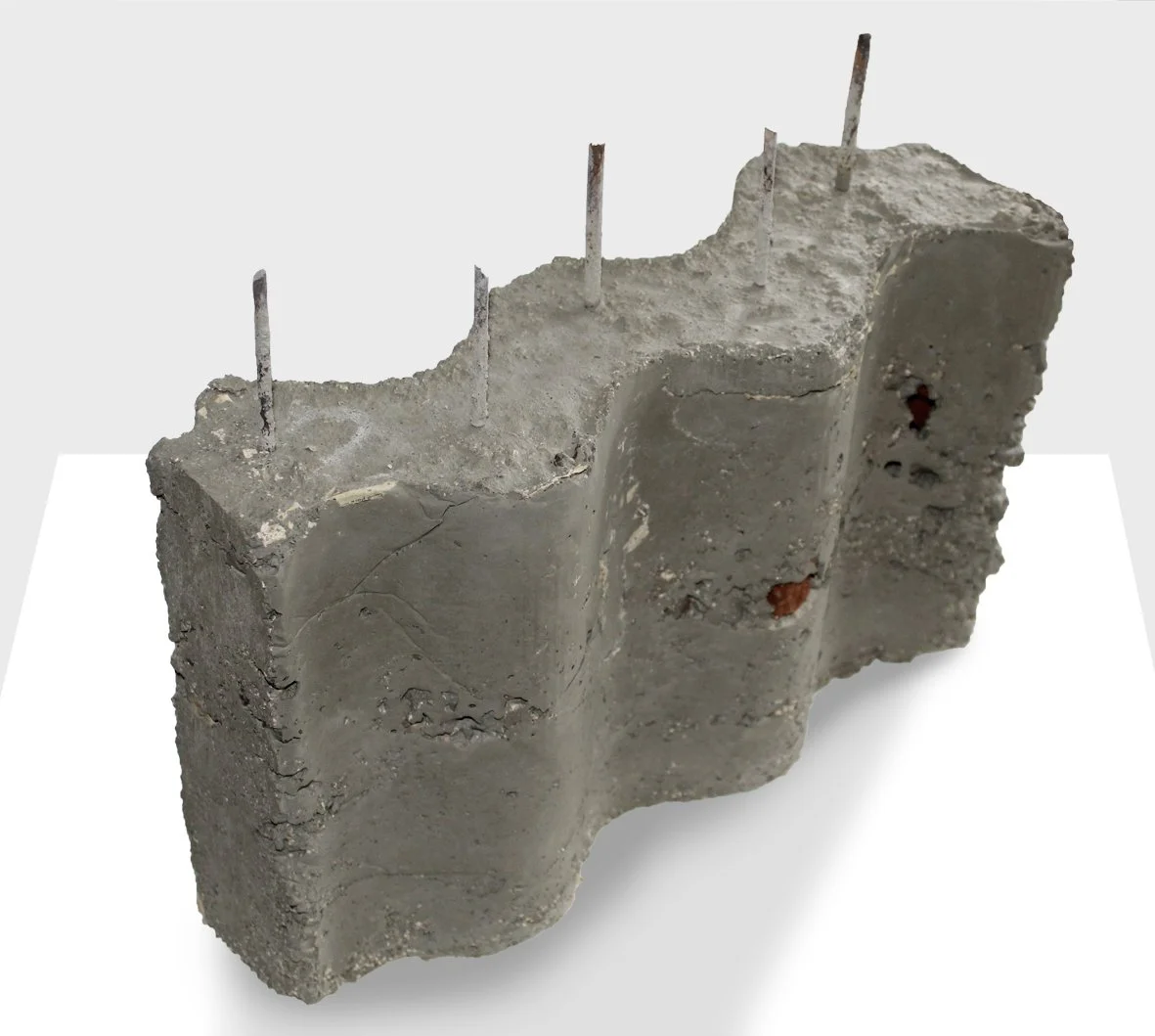
Materials recovered from an old construction will not only be given a second life, but can also be shaped into new materials. Old materials shaping new ones.
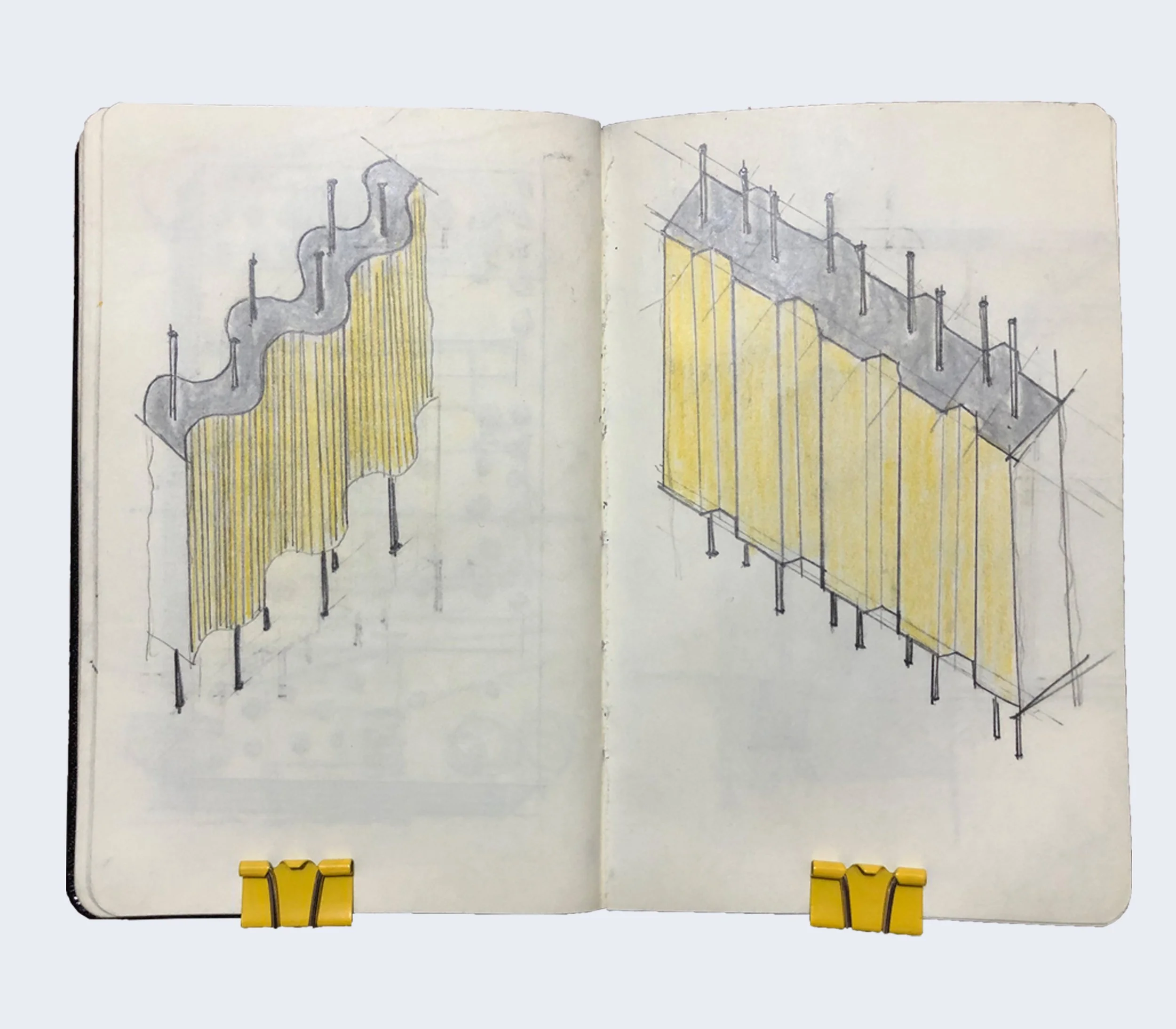
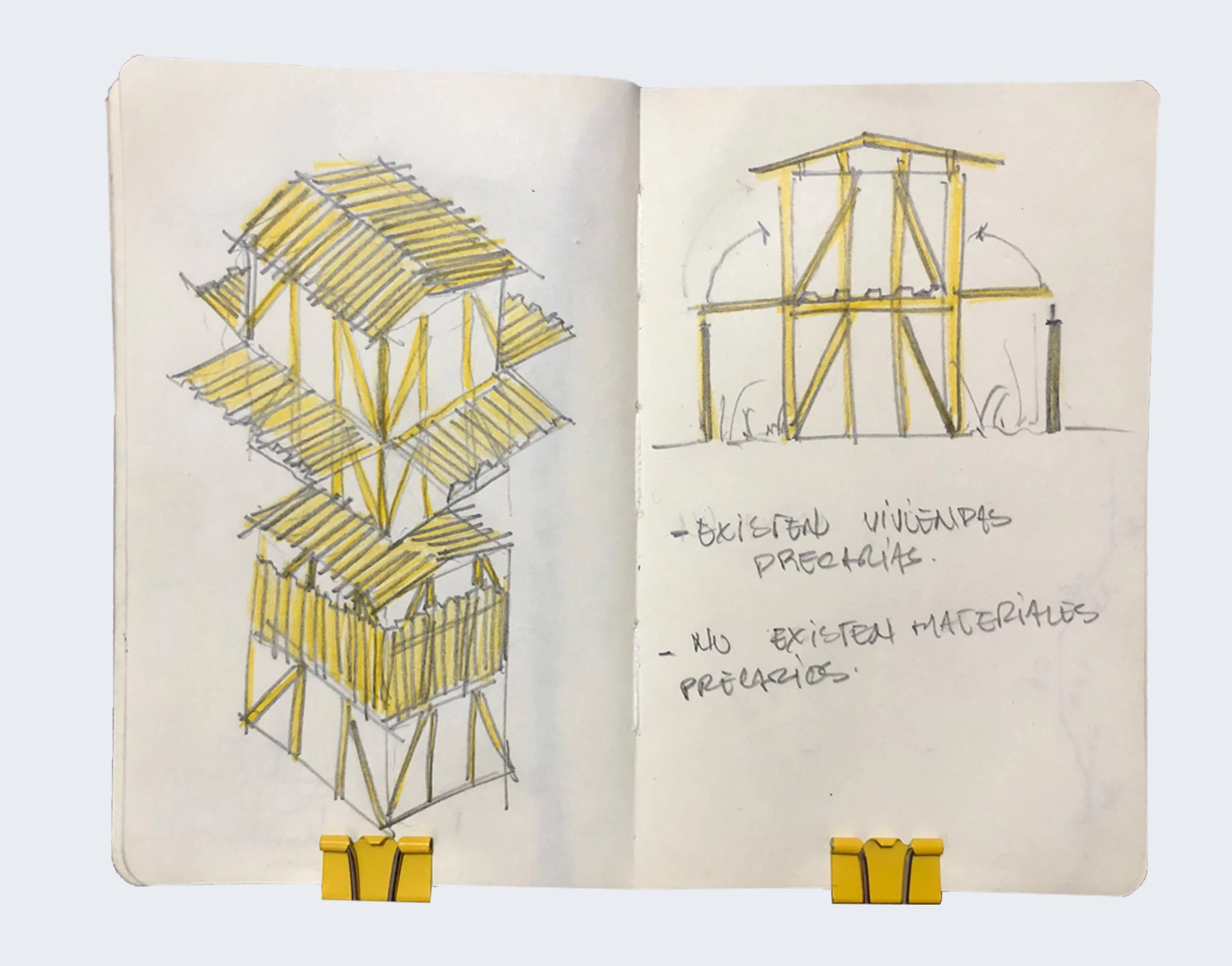
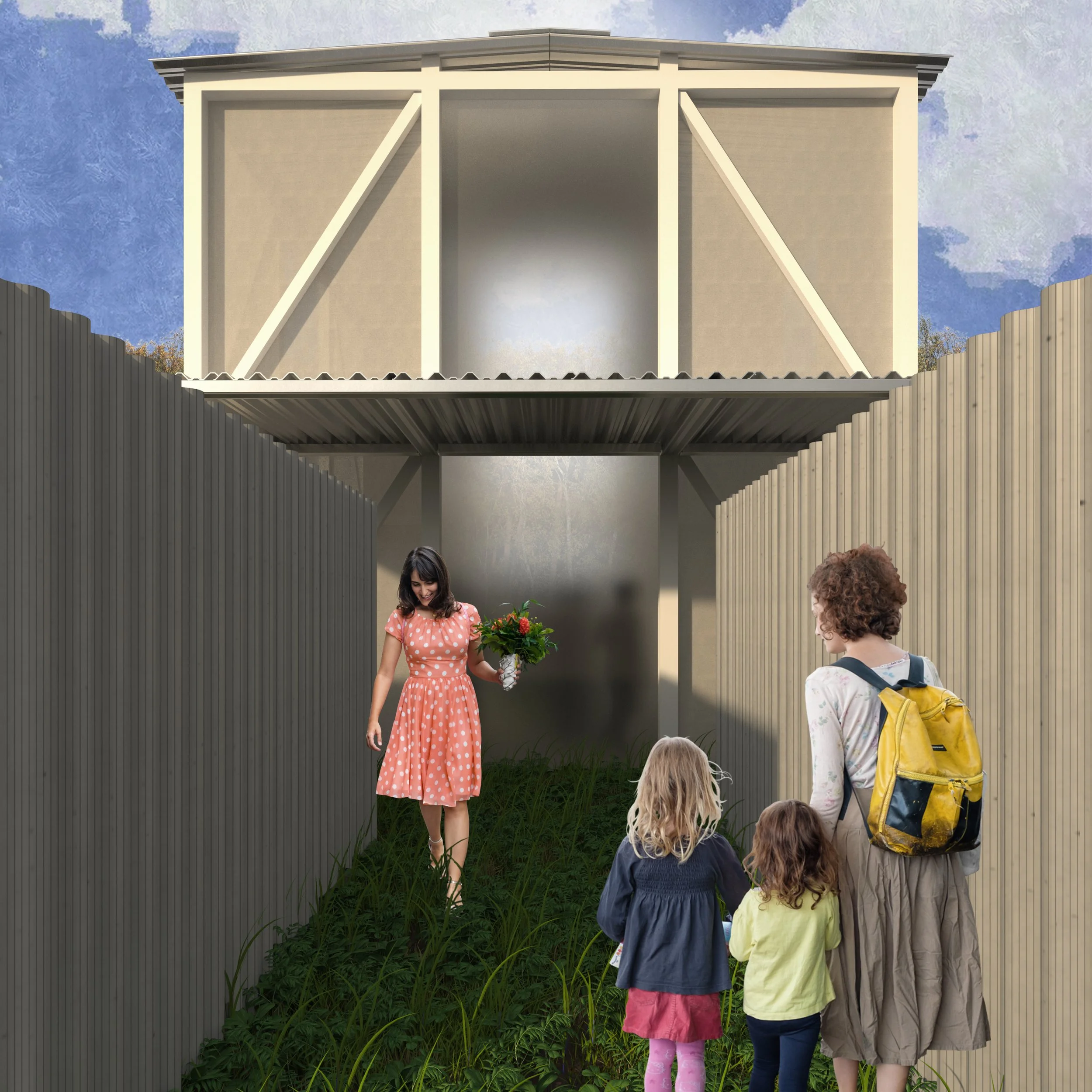
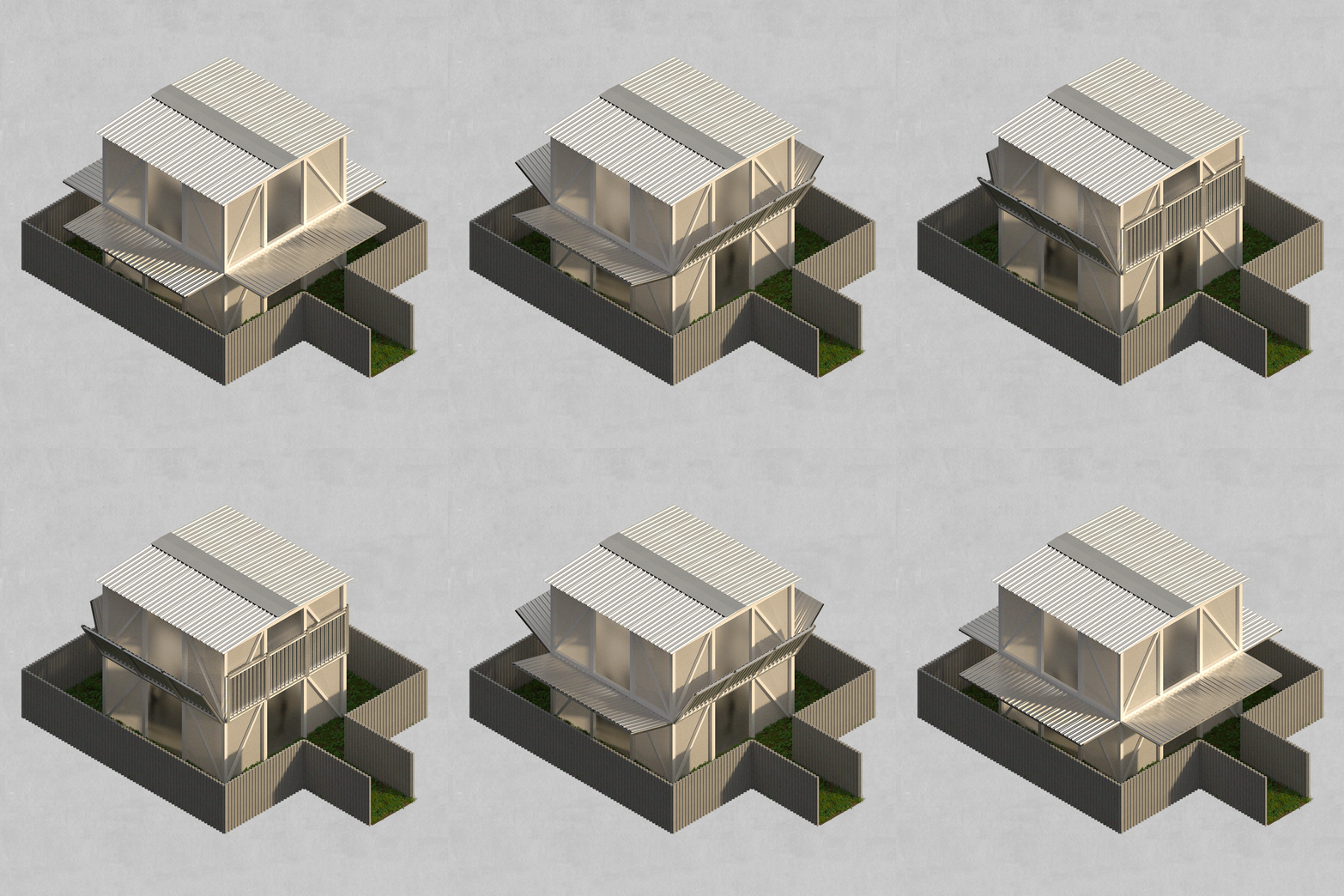
The benefits of making the most of existing materials are undeniable. Reusing, reinventing, and giving materials a second life are practices that can significantly improve the living conditions of families facing precarious housing situations. Greater awareness of this potential, combined with thoughtful planning whenever possible, can transform the evolution of a home into a more sustainable process. Rather than being discarded, the original materials—those initially perceived as "precarious"—can evolve alongside the house itself, adapting, transforming, and taking on new functions while minimizing waste, with the ultimate goal of eliminating it entirely.